Nothing beats the benefits students gain from learning outside but if that’s just not feasible, bringing nature into the classroom gives children opportunities to value animals and plants.
It gives kids time to wonder and ask questions and inspires them to investigate further.
Once you get organized for bringing plants and animals inside and discover how motivated children are by interacting with them, you’ll be hooked!
Each community has its own unique nature habitats to source plants and animals.
When your students have real things to explore, they’ll make new discoveries and gain a lifelong love of nature.
Bringing nature into the classroom provides opportunities to teach:
-
- What animals and plants need to survive
- How to treat animals and plants with care and respect
- The importance of returning animals to their natural habitats after you have studied them
- The four Ls of learning from living creatures: Look at them, learn about them, let them go (after an hour or two), then leave them alone.
Environmental education for the whole year…
 One medium-sized aquarium or very large restaurant sized glass jars is usually adequate to house most of the animals below. The link above is full of tips for setting up a science center in your classroom.
Depending what animals you are keeping inside the containers, use either fine wire or a plexiglass or a cardboard cover with tiny air holes to contain them. Never put them on a windowsill as they will get too hot and suffer.
Autumn:
September
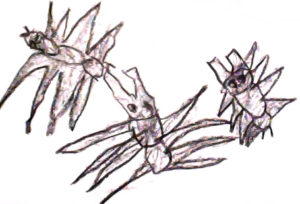
- Spiders – They’re abundant in the Autumn. Gather shed spider skins, sections of webs and eggs too.
- Sunflowers – parents often donate a few of these each Fall. they are great for measuring and comparing heights and picking apart.
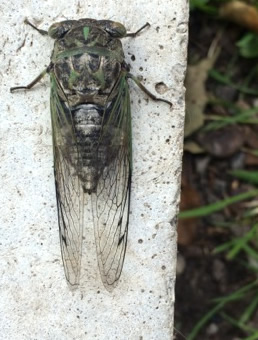
- Cicada bugs – Depending on your location, these giant bugs are easy to find and can make short-term classroom visitors.
October
- Study sow bugs – Keep them moist with a damp paper towel.
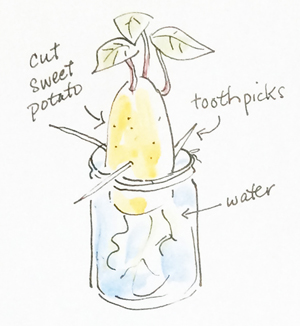
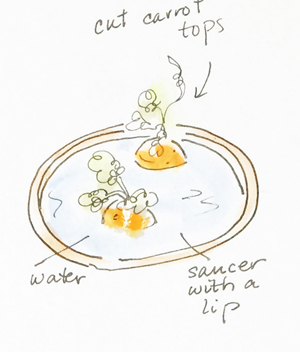
- Grow carrots and sweet potatoes from cut pieces of each vegetable placed in water. One year our sweet potato vine grew to the ceiling and was a terrific year-long measuring activity! In the spring we planted it in sandy potting soil and had a crop of sweet potatoes the next autumn.
- Examine pumpkins – so many ways to do this
Winter Ideas:
November
- Plant experiments – use four of your carrot plants from October. What do plants need to survive?
- Sprinkle a tiny bit of water on slices of whole wheat bread without preservatives. Let it sit for a few days, then put it in well sealed and taped plastic bag. Where does the mold come from?
- Do the same with white bread full of chemicals. Are the results the same? What happens if the bread in the bag is placed in a dark place?
December
- Dissect an old bird’s nest – what did the bird use to build it? Record your discoveries on a large chart.
- Put celery, leaves and other flowers in food coloring
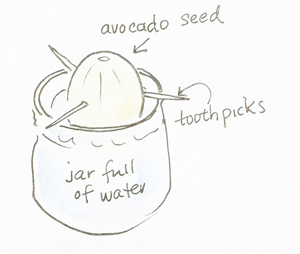
- Try growing an avocado pit
January
- Find a lizard or other small pet to borrow for a week – ask, “What do you notice?” types questions
- Introduce mealworms (the larvae of the darkling beetle) to study a life cycle. They are low maintenance and available from a pet store. Line the bottom of jar with rolled oats and add bits of raw potato or carrots. Clean out every so often.
February
- Gather jars of pond water (depending on where you live, you may have to wait until it warms up outside). Pond water is full of so many living creatures! Renew the aquarium with fresh pond water every 2 weeks. As always, keep it out of direct sunlight.
- Study crickets (also available from a pet store) See resources below for more creepy crawly information.
Spring Ideas:
March
- Earthworms – keep in a gallon jar full of moist garden soil, wrap a black paper around it. When you remove the black paper after a few days the children can examine the burrows the worms build and hopefully discover golden worm eggs.
- Gather frog eggs and watch them hatch and grow front legs. Release them before the back legs fully grow (or you may find them dried up in your classroom). Replenish the aquarium with fresh pond water every so often
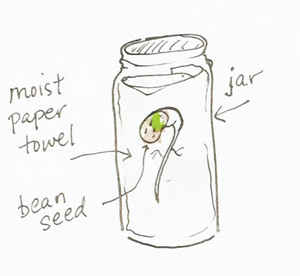
- Sprout bean and other seeds in glass jars with damp paper towels.
- Plant a windowsill garden.
April
- Spider eggs hatch in the warmer weather. If you find a small golden bundle of spiderlings hanging from a branch, gather them carefully in a jar with a tight lid for your students to observe.
- Butterfly eggs and cardboard houses are available to purchase (reuse houses year after year)
- Continue planting seeds, comparing their growth
May
- Insects are everywhere. Bring them in for short observations.
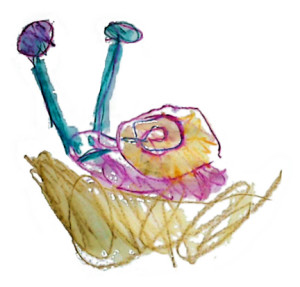
- Bring slugs and snails in for short visits. Keep the tank or jar damp.
June
- Ask a few older students to find a garter snake for a short visit to the classroom (keep it in a damp aquarium filled with twigs and leaves for no more than an hour or two).
- Salt water animals are difficult to keep in the classroom to study but local shells are usually easy to obtain. Be sure they are long dead or they will smell!
How to Care for Nature’s Visitors
- Keep most animal visits to the classroom no longer than a day or two.
- Teach children not to tap on the glass or provoke the creatures.
- Release them to the same places as you found them. It’s really important not to introduce species to different locations, especially if a child has brought in a non-native species.
- Collect plants and sticks and rocks from around the animals’ homes and add them to your aquarium or jar.
- Sprinkle a bit of filtered water (not chlorinated) in the container or on a damp paper towel and place it inside.
Worms are fine for a week in a large jar, pond water with tadpoles and other creatures can last a week or two but then gather and add fresh pond water (not tap water).
Returning animals to their natural habitat
- When bringing nature into your classroom an emphasis on returning animals to their original environment is an important part of your students’ education. Releasing one species into a different pond or lake may cause problems.
Kids experience delight and are motivated to learn when you bring the outdoors inside. It’s easy it is to inspire reading and writing activities based on children’s interactions with a bug, a snake or a snail.